
- +27 83 639 0140
- admin@infralaw.co.za
- Infra Law (Pty) Ltd (Reg No: 2026/071775/07)
Transportation and Logistics
Transportation and Logistics
Efficient transport systems need legal frameworks that align multiple modes, jurisdictions and stakeholders. We advise on multi-modal corridor development, connecting road, rail, ports, airports and logistics hubs into coherent, investment-ready networks. We structure the legal, regulatory and commercial arrangements behind them, including procurement, PPP structuring, land and access rights, regulatory compliance and long-term operating frameworks.
Our experience covers: national freight corridors, urban mobility systems, toll roads and bridges, border posts, inland ports and logistics hubs, free ports and special economic zones, airports, seaports and pipelines.
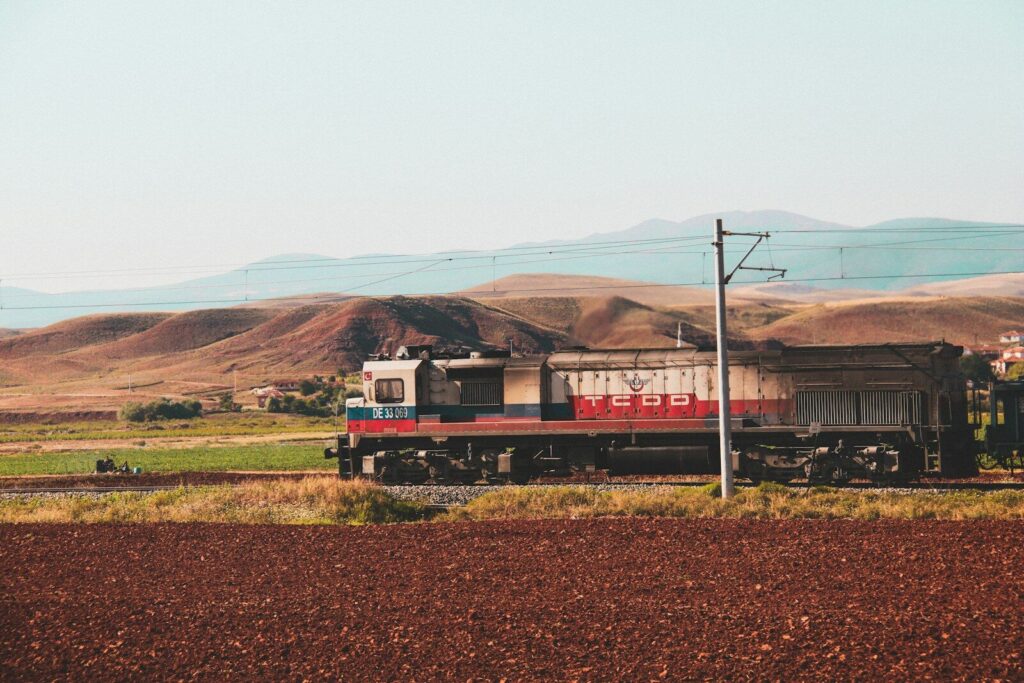
Railways: National Freight Corridors and Urban Mobility Systems
Rail markets are growing, particularly urban rail, and digital technology is increasingly central to competitiveness and cost. We advise across the project lifecycle, from procurement of rolling stock and rail equipment to complex, multi-disciplinary infrastructure transactions, for government departments and agencies, state-owned enterprises, manufacturers, rolling stock lessors, infrastructure managers, concession companies, train operators, cargo owners, funders and investors.
Selected experience (10 matters) ▾
We have advised government, operators, bidders, funders and industry forums on some of South Africa’s most strategic rail initiatives, including:
Urban mobility systems
- A bidder in the bid development phase of the second Gautrain Rapid Rail PPP concession
- Airports Company South Africa on third-party and enabling agreements with the Gauteng Department of Roads and Transport for the first Gautrain concession
- The Gautrain Management Agency on a legal feasibility study for network extensions
- The Department of Transport on the Moloto Rail Development Corridor PPP
- National Treasury on a regulatory and contractual review of the PRASA Rolling Stock Renewal Programme, including advice on procurement compliance under the PFMA
Heavy haul rail and strategic corridors
- A forum of iron ore producers, majors and juniors, on increasing private sector participation on the Ore Export Corridor
- The Manganese Producers Consortium on the Ore Export Corridor, the Ngqura rail link and the proposed manganese export terminal
- A major South African rail operator and its consortium on their bid for the Durban–Johannesburg Container Corridor
- Siemens on its bids for Transnet’s diesel and electric locomotive tenders
- Transnet Freight Rail on a legal feasibility study for concessioning branch lines

Toll Roads and Bridges
Toll road and bridge projects remain attractive across Africa, where sustainable tariffs allow capital and operating costs to be recovered from users. Well-structured, they improve mobility, stimulate trade and support long-term growth, but they need clear regulatory frameworks and coordinated government action, particularly on cross-border corridors. We guide public and private stakeholders through procurement, concession structuring, financing, risk allocation and regulatory compliance.
Selected experience (5 matters) ▾
We have advised on many of Africa’s significant toll road and bridge PPPs across East, West, Southern and Indian Ocean Africa, including:
- Kenya: developer on the Nairobi–Mombasa Expressway and Lamu–Isiolo Road unsolicited proposals; Kenyan Urban Road Agency on the Second Nyali Bridge PPP
- Guinea: developer on a 112 km tolled corridor, Conakry to Kindia
- The Gambia: development finance organisation on the Senegambia Bridge PPP asset-recycling initiative
- Tanzania: TANROADS on the 144 km Dar es Salaam–Chalinze Toll Road PPP
- Mauritius: Road Development Agency on the Port Louis Ring Road PPP
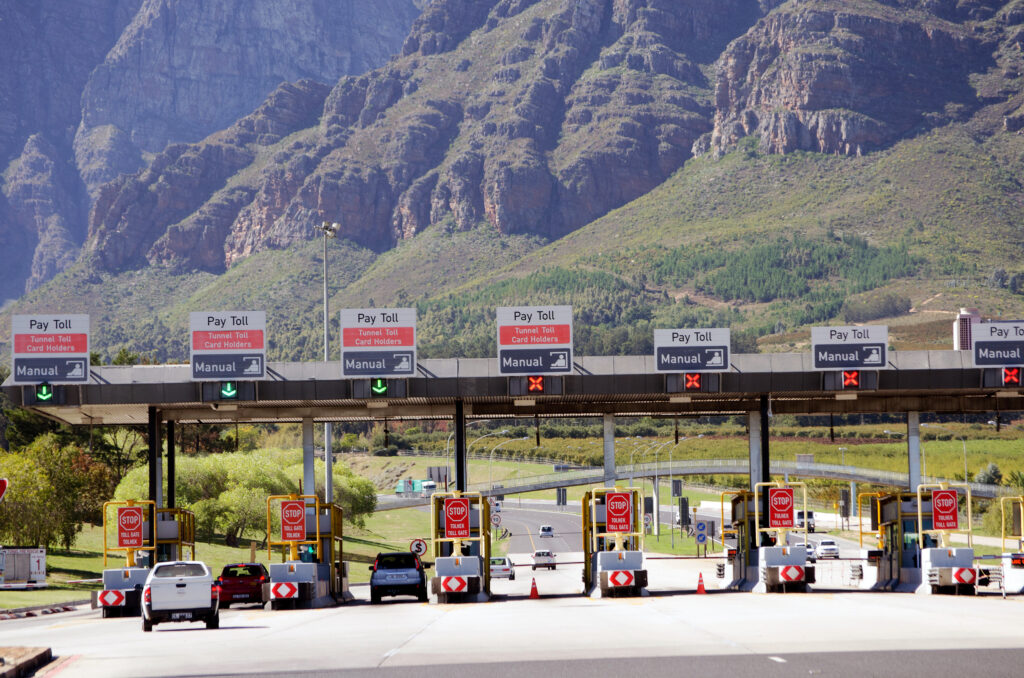
Border Posts, Logistics Hubs and Special Economic Zones
Border posts, inland ports and special economic zones shape how goods and people move across regions and connect industry to global markets. We advise governments and private developers on planning, structuring, regulating and implementing these projects.
Selected experience (3 matters) ▾
Our experience includes:
- Cross-border PPPs: the Chirundu One Stop Border Post (Zimbabwe–Zambia) and the Kasomeno–Mwenda Toll Road and One Stop Border Post (Zambia–DRC)
- South Africa: a preferred bidder on the Department of Home Affairs’ multi-site Border Posts PPP, and SARS on its Scanner PPP for customs scanning infrastructure
- Logistics hubs and SEZs: the preferred bidder on the Tambo Springs Inland Port and Container Terminal PPP, and the Coega Development Corporation on tenant lease arrangements in the Coega SEZ
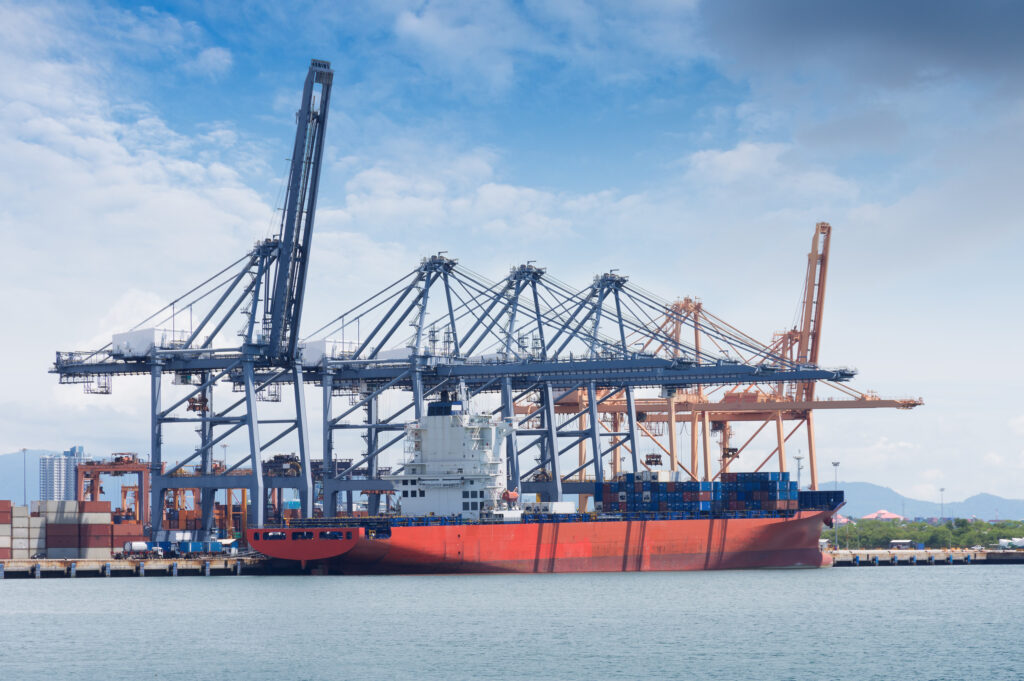
Seaports
Port operations are increasingly competitive, and a port’s scale and efficiency often determine the viability of the transport corridors, particularly rail, that it anchors. We support the port ecosystem, from regulators, developers and terminal operators to shipping lines and freight logistics companies, on regulatory frameworks, concession structuring, operational contracting and commercial arrangements.
Selected experience (6 matters) ▾
We have advised international operators, governments and financiers on port concessions, terminal operations and port-linked infrastructure, including:
- An international terminal operator on its RFQ and RFP submissions for Durban Container Terminal Pier II
- Multi-port use and access agreements with Transnet National Ports Authority for a preferred bidder under the RMIPPPP
- The National Department of Transport on a PPP for two emergency towing vessels
- Transnet’s proposed operating concession of three berths at Lamu Port, Kenya
- The International Finance Corporation on private sector participation in Mauritius’ Cargo Handling Corporation
- The Namibian Ports Authority on financing a second container terminal at Walvis Bay

Airports
Airports are economic gateways, and airport development is gathering momentum across Africa. We advise licence holders, developers, operators, contractors, governments and investors on the planning, structuring, procurement, financing and regulation of airport infrastructure and services.
Selected experience (2 matters) ▾
Our work includes:
- King Mswati III International Airport: advising the Eswatini Civil Aviation Authority on the concession for airport management and cargo operations, aviation leases and fuel supply infrastructure agreements
- Kruger Mpumalanga International Airport: advising the Mpumalanga Provincial Government, with a commercial bank, on its purchase of the airport
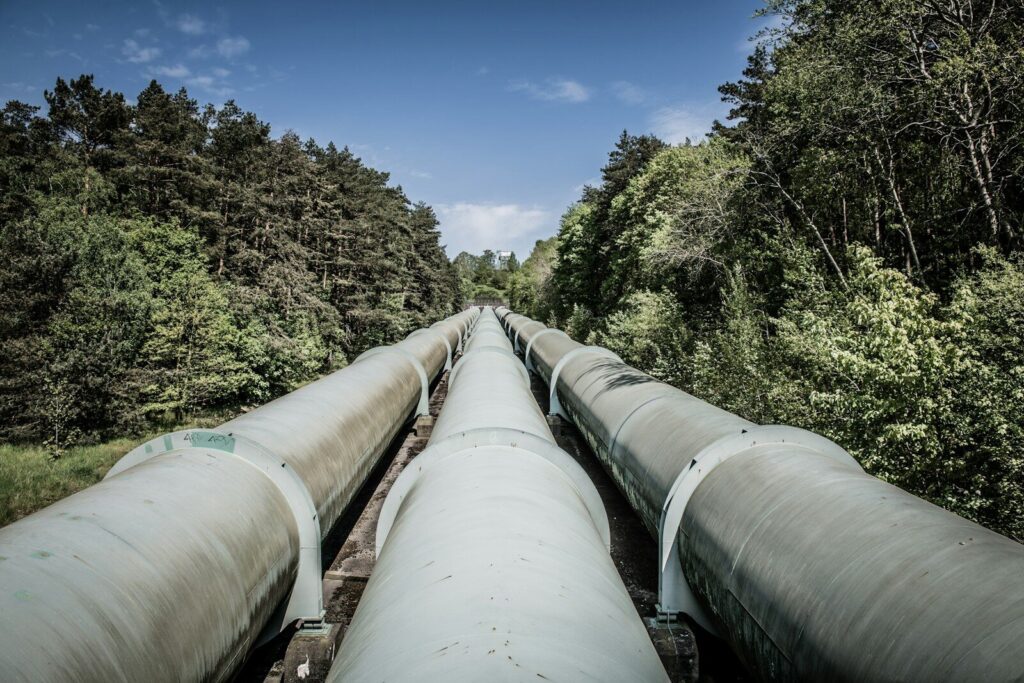
Pipelines
Pipelines carry petroleum products, gas and water over long distances under strict regulatory and technical standards, and their commercial value lies in capacity sold as throughput rights. We support developers, operators, regulators, investors and off-takers on structuring, regulation, commercial contracting and long-term management.
Selected experience (2 matters) ▾
Our work includes:
- Advising a large South African contractor on its investment in the Petroline Petroleum Pipeline from Matola, Mozambique to Kendal, Mpumalanga
- Regulatory and contractual advice to Transnet on supply contracts, warranties and guarantees for its Multi-Purpose Petroleum Pipeline Project